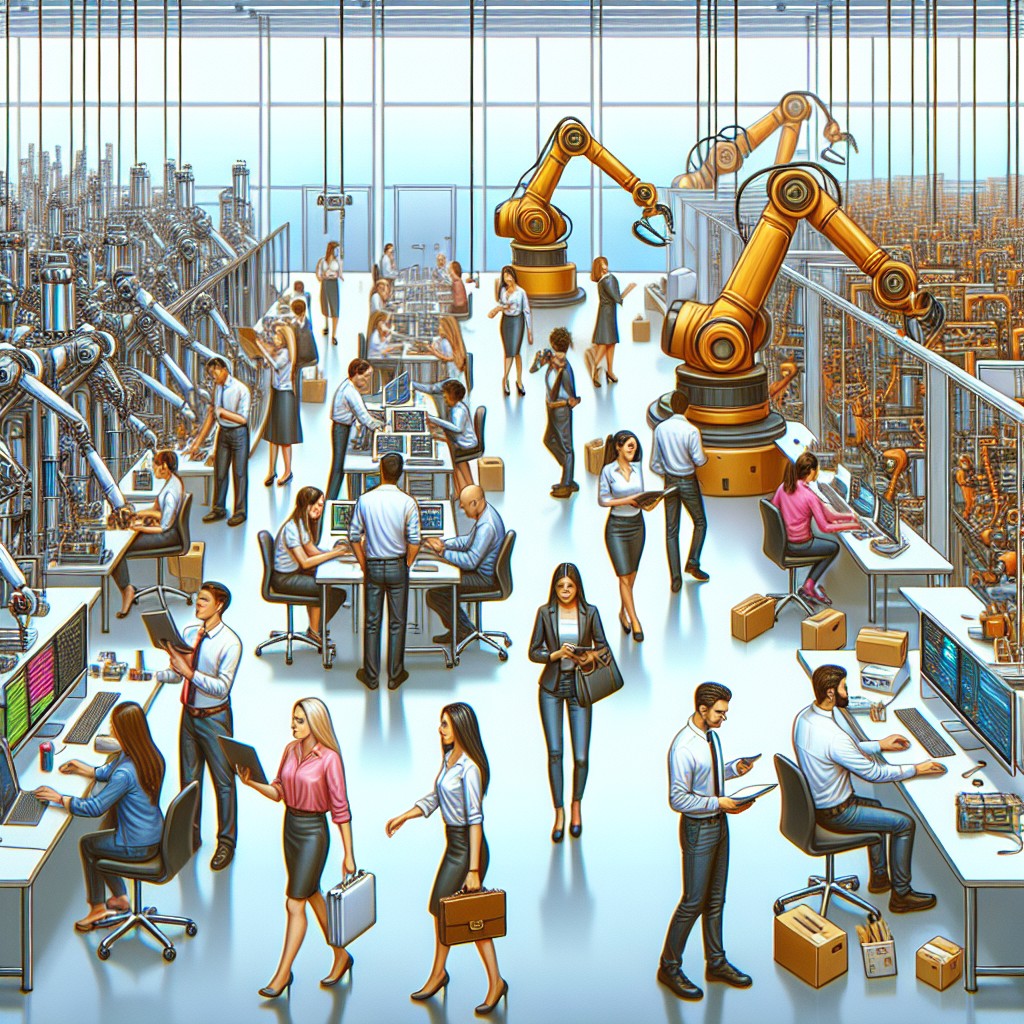
In an era marked by rapid technological advances and changing economic landscapes, recent Employment Statistics reveal significant trends that may shape the workforce by 2026. Analysts predict altered employment patterns reflecting the needs of a modern economy, driven primarily by innovations in artificial intelligence and automation.
Technological Advancements and Job Evolution
The integration of technology in the workplace has evolved not only the types of jobs available but also the skills required to perform them. According to upcoming Employment Statistics, jobs in technology and computer science are anticipated to experience the most significant growth. Subsequently, roles such as software developers, data analysts, and cybersecurity specialists are becoming increasingly vital to organizations across various sectors. The demand for these positions highlights a transformational shift towards a tech-driven economy.
Impact of Remote Work on Employment Trends
The COVID-19 pandemic accelerated a shift toward remote work, leading to lasting changes outlined in current Employment Statistics. By 2026, it is expected that remote work will remain a common arrangement, influencing trends in recruitment and employee retention. Many companies are now evaluating candidates based on their adaptability to remote collaboration tools and technologies, significantly altering the selection criteria.
Education and Workforce Development
As job markets evolve, so too must educational systems. Contemporary Employment Statistics indicate that a workforce equipped with advanced skills is crucial for sustaining economic growth. Increased emphasis on STEM (Science, Technology, Engineering, and Mathematics) education, along with vocational training programs, is being prioritized to prepare future generations for emerging job opportunities. This educational focus aims to fill skill gaps and align workforce capabilities with market demands by 2026.
Conclusion
Overall, the forthcoming Employment Statistics suggest that the labor market will undergo significant transformations by 2026. As businesses continue to embrace technological advancements, remote work arrangements, and revamped educational pathways, the workforce will need to adapt accordingly. Staying informed about these trends will be essential for both employers and job seekers navigating the future employment landscape.
Frequently Asked Questions about Employment Statistics
What are Employment Statistics?
Employment Statistics provide detailed information on job availability, unemployment rates, and sectoral employment trends. They are essential for understanding the labor market.
How do Employment Statistics affect job seekers?
Employment Statistics help job seekers identify in-demand roles and industries, aiding them in tailoring their skills and applications to match market requirements.
What sources provide Employment Statistics?
Various organizations, including the Bureau of Labor Statistics and other reputable economic research institutions, publish timely Employment Statistics.
Why are Employment Statistics important for businesses?
Businesses utilize Employment Statistics to make informed decisions regarding hiring, workforce planning, and identifying skills needed for future growth.
How often are Employment Statistics updated?
Employment Statistics are typically updated monthly or quarterly, providing timely insights into the changing dynamics of the job market.