As climate change continues to reshape our planet, experts are forecasting unprecedented weather patterns for the year 2026. This Climate Analysis offers a glimpse into potential climatic shifts that could have wide-ranging effects on ecosystems, economies, and societies globally.
Unprecedented Temperature Variations
According to recent studies conducted by climate scientists, 2026 could witness some of the most extreme temperature fluctuations on record. Average global temperatures are expected to rise significantly, exacerbating heatwaves in already vulnerable regions. Research indicates that areas traditionally known for stable temperatures, such as parts of North America and Europe, could encounter unprecedented spikes, leading to serious public health concerns.
Increased Frequency and Intensity of Natural Disasters
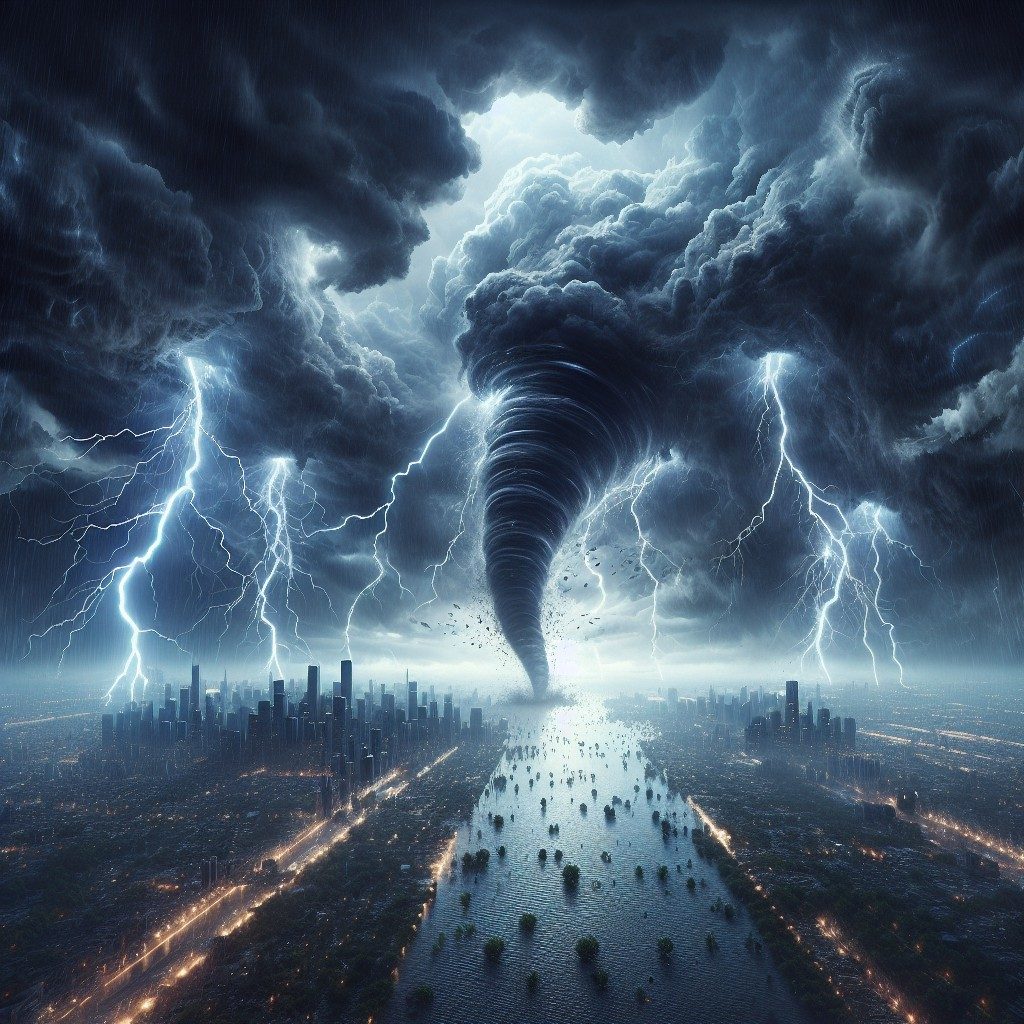
The latest climate models suggest a worrying increase in both the frequency and intensity of natural disasters, such as hurricanes, floods, and wildfires, in 2026. Experts report that regions along the Atlantic coast may face higher risks of devastating hurricanes, while the western United States could experience raging wildfires due to extreme drought conditions. Such disturbances will likely strain emergency services and require significant adjustments in urban planning and disaster preparedness strategies.
Impact on Agriculture and Food Security
The alarming predictions from the 2026 Climate Analysis highlight potential threats to global food security. Changes in precipitation patterns and temperature extremes are likely to disrupt growing seasons, leading to reduced crop yields in several staple foods. This, combined with predicted adverse weather events, could lead to significant shortages and increased prices for consumers. Agricultural sectors across different continents may need to adapt quickly to these changing conditions to ensure food security.
Frequently Asked Questions about Climate Analysis
What does Climate Analysis entail?
Climate Analysis involves assessing trends and predictions related to climate patterns, including both current conditions and future forecasts, which can influence economic and environmental policies.
How reliable are the predictions in the Climate Analysis for 2026?
While predictions in the Climate Analysis for 2026 are based on sophisticated climate models and historical data, they are subject to change as new data becomes available and as climate conditions evolve.
Why is Climate Analysis important for policy-making?
Climate Analysis provides essential insights that help policymakers formulate strategies to mitigate the impacts of climate change, implement sustainable practices, and prepare for possible future climatic changes.
Who conducts these Climate Analyses?
Various organizations, including governmental agencies, research institutions, and independent scientific bodies, conduct Climate Analyses to produce reliable forecasts and assessments.
How can individuals use Climate Analysis findings?
Individuals can utilize findings from Climate Analysis to make informed decisions on energy use, sustainability practices, and advocacy efforts aimed at combating climate change.