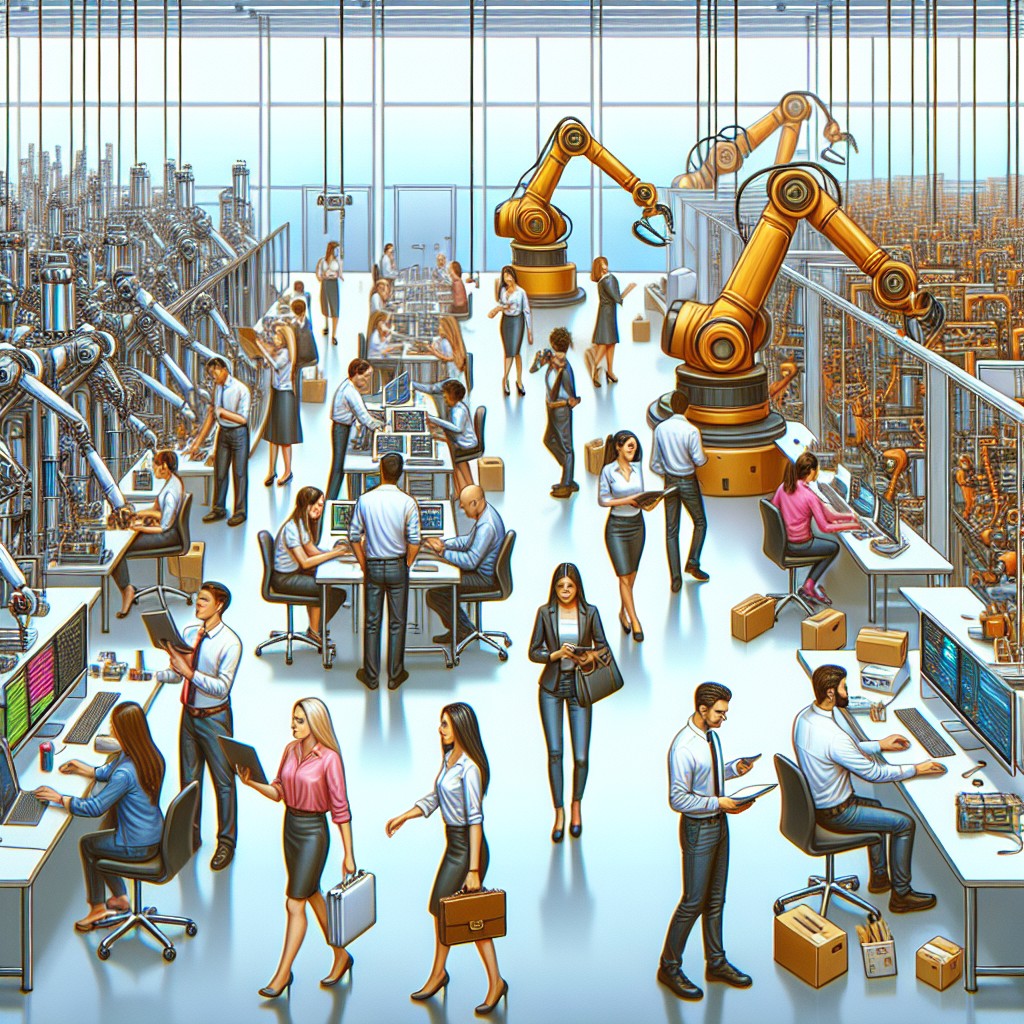
Despite robust economic expansion in many countries, wage growth often fails to keep pace with overall economic performance. Understanding the factors behind this phenomenon is crucial for policymakers, businesses, and workers alike as they navigate the complexities of labor markets worldwide.
Economic Expansion Doesn’t Guarantee Higher Wages
Economic growth is commonly measured by increases in gross domestic product (GDP), which reflects the total value of goods and services produced. However, a rise in GDP does not automatically translate to proportional wage increases for workers. Several countries experience persistent stagnant or slow wage growth amid expanding economies, prompting questions about the underlying causes.
Productivity and Its Relationship with Wage Growth
One key factor often examined is productivity, or the output produced per hour worked. Traditionally, improvements in productivity are expected to lead to higher wages as workers contribute more value. Yet, in many advanced economies, productivity gains have outpaced wage growth, meaning workers do not necessarily receive a fair share of the economic benefits. This disconnect can weaken consumer spending and exacerbate income inequality.
The Role of Labor Market Dynamics
Labor market conditions considerably influence wage trends. High unemployment or underemployment can reduce workers’ bargaining power, limiting wage increases even when economic indicators improve. Additionally, the rise of temporary contracts, part-time work, and gig economy jobs can suppress overall wage growth by fragmenting traditional employment structures.
Globalization and Technological Change
Globalization has introduced intense competition, prompting companies to seek lower labor costs abroad or automate tasks. While this boosts efficiency and growth, it can also hold down wages in certain sectors. Technological advancements, particularly automation and artificial intelligence, may displace some jobs while creating new ones, often with different wage implications influencing aggregate wage growth patterns.
Policy and Institutional Factors Impacting Wage Growth
Government policies, labor regulations, and institutional frameworks play a significant role in shaping wage trajectories. For instance, minimum wage laws, collective bargaining agreements, and social safety nets can support wage growth. Conversely, weakened labor unions or insufficient wage policies can contribute to wage stagnation despite expanding economies.
Overall, the phenomenon of lagging wage growth during economic expansion is multifaceted. It reflects a mix of productivity trends, labor market conditions, globalization impacts, technological evolution, and policy environments. Addressing these challenges requires coordinated efforts from governments, employers, and labor representatives.
Looking ahead, monitoring wage patterns alongside economic indicators remains critical. Sustainable economic development hinges not only on growth figures but also on ensuring equitable wage growth that supports living standards and economic resilience.
Frequently Asked Questions about wage growth
What factors contribute to slow wage growth despite strong economic performance?
Slow wage growth can result from productivity-wage disconnects, labor market slack, increased gig or part-time work, globalization pressures, and technological changes that do not uniformly raise wages.
How does productivity influence wage growth internationally?
Generally, higher productivity should lead to wage growth, but in many countries productivity gains outstrip increases in pay, weakening the link between the two and affecting overall wage growth.
Can government policies affect wage growth in expanding economies?
Yes, policies such as minimum wage laws, labor protections, and collective bargaining frameworks can promote wage growth; weak policy support can conversely contribute to wage stagnation.
How does the gig economy impact wage growth abroad?
The gig economy often leads to less stable employment and reduced bargaining power for workers, which can suppress wage growth compared to traditional employment models.
Where can I find reliable data on international wage growth trends?
Reliable data on wage growth can be found on authoritative sites such as the International Monetary Fund (IMF Data) which track economic and labor market indicators globally.